

Your Inspection

What Happens Once You Book With Us

Whether you’re buying a home in the greater Bangor area, selling a property elsewhere in Maine, or scheduling a commercial inspection ahead of a lease or purchase, your inspection with us follows the same straightforward process from start to finish. We built our approach around one goal: helping you understand exactly what you’re buying, without the guesswork.

Our inspectors bring years of field work in the trades and exposure to all aspects of building a home in building a house, so when we’re walking through your inspection, we’re looking at the property the way someone who has actually built and repaired homes would look at it. We check the major systems and components of the property and flag anything that needs a closer look or immediate attention.

Once the walkthrough wraps up, we’ll go over what we found in plain language, whether you’re there in person or catching up with us by phone afterward. You’ll get a full inspection report in HTML and PDF format, complete with photos and notes, so you and your real estate agent have everything you need to move forward with confidence.

Frequently Asked Questions

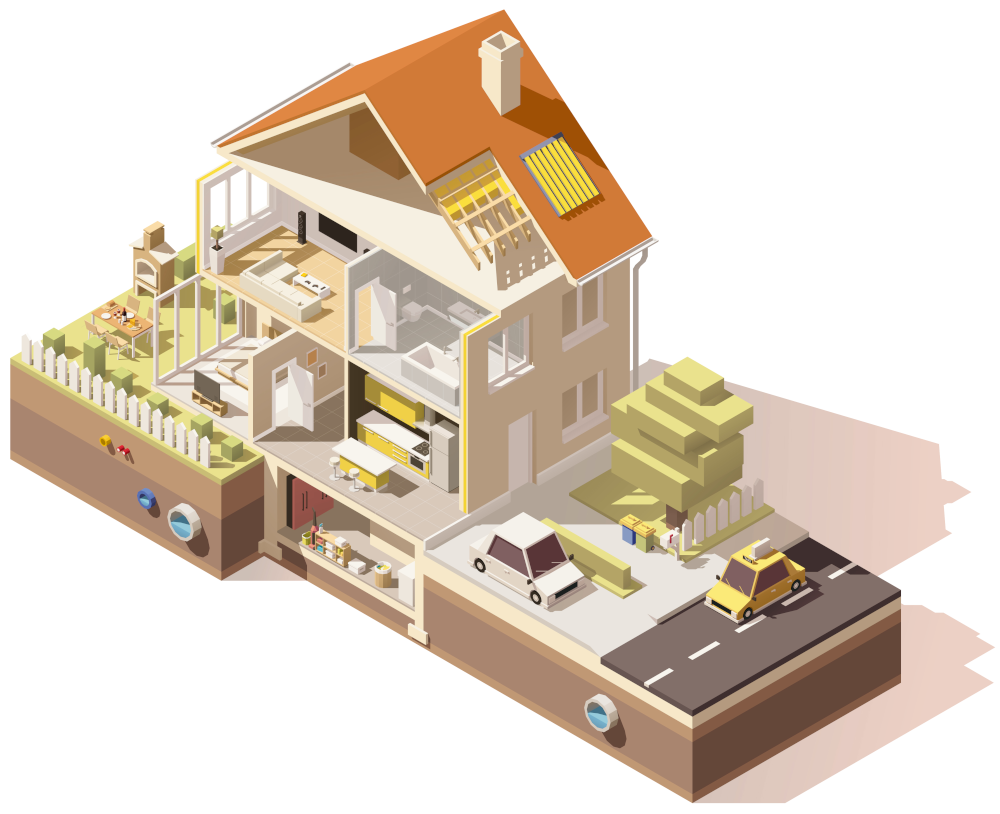
During your inspection, we go through the property from the roofline to the foundation, checking structural components, plumbing, electrical systems, heating and cooling, insulation, windows, doors, and more. Most home inspections take between two and three hours depending on the size and age of the property.

Clear access to key areas like attics, crawlspaces, electrical panels, and mechanical rooms helps us move efficiently through your inspection. If you won’t be there in person, make sure we have access to the property and that any pets are secured elsewhere for the day.

A home inspection isn’t a pass or fail test. It’s a detailed look at the current condition of a property. Any concerns we note on your report are there to inform your decision, not to declare the home unfit.

In most cases, yes, you can legally move forward without one. But skipping your inspection means taking on the risk of unknown issues, sometimes major ones, that could cost far more to fix down the road than the inspection itself.

We may point out minor items that are simple fixes, but making major repairs isn’t part of what we do during your inspection. That separation is intentional. It means you’re free to choose your own contractor and get a second opinion without any conflict of interest.

It can, in either direction. If we find issues that need repair, that can lower a home’s appraised value until they’re addressed. On the other hand, a clean inspection report can support a stronger appraisal. Either way, sellers and buyers typically negotiate who handles any needed repairs before closing.

5 Benefits of a Home Inspection

Negotiations Leveraged

Buyers can use the inspection report to negotiate a better price or ask for repairs, while sellers can choose to address issues before listing to justify their asking price.

Ensures Your Safety

A home inspection evaluates critical safety concerns such as electrical hazards, carbon monoxide risks, mold, and structural integrity.

Prepares You For the Future

We can point out components near the end of their lifespan (such as HVAC systems or water heaters) so you can budget accordingly.

Garners Trust

Sellers who conduct pre-listing inspections can show transparency and build buyer trust, potentially leading to quicker offers and smoother negotiations.

Grants Peace of Mind

Knowing the condition of the home helps you feel confident in your purchase or sale and reduces surprises after the transaction.

What's Included in a Home Inspection?

Roof

Roof coverings, gutters, downspouts, vents, flashing, skylights, chimney, roof penetrations and the general structure of the roof.
Attic, Insulation, Ventilation

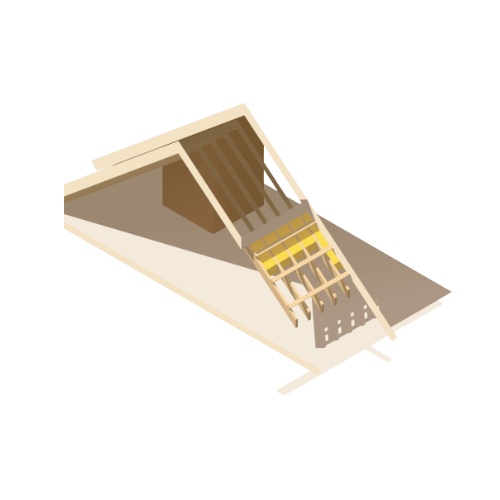
Insulation and ventilation of unfinished spaces, including attics, crawl spaces, foundation areas and exhaust systems.
Exterior

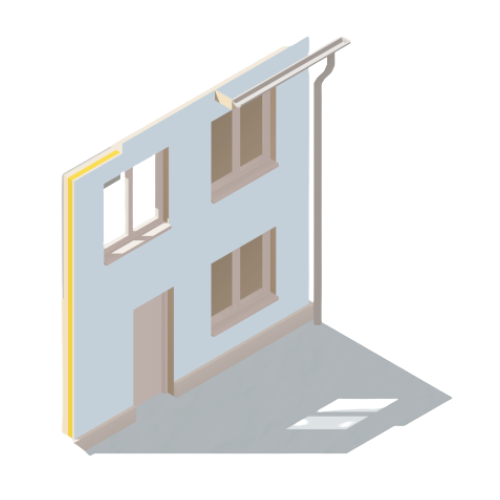
Siding, windows, exterior doors, flashing & trim, walkways, driveways, stairs, patios & decks, and drainage.
Basement, Foundation, Crawlspace, Structure

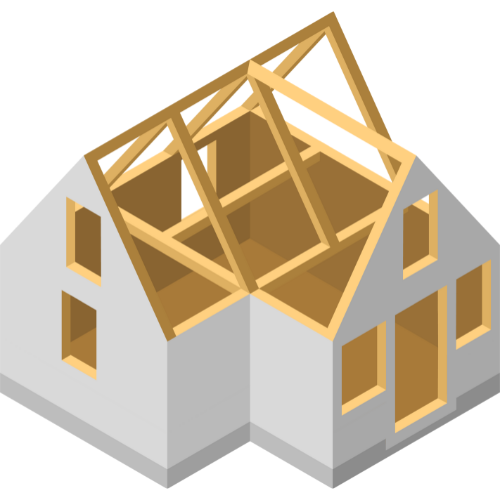
Foundation movement, cracks, structural concerns, and indication of water penetration.

Cooling

Cooling system, location of thermostat, energy source and cooling method.
Heating

Heating system, location of thermostat, energy source and heating method.
Fireplace

Visible portions of the fireplace & chimneys, lintels, damper doors, and cleanout doors & frames.
Plumbing

Main water & fuel supply shut-off valves, water heater, interior water supply, toilets, sinks, tubs, showers, drain, waste and vent systems.
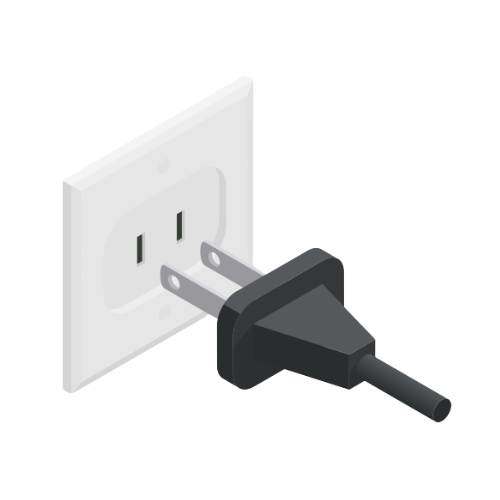
Electrical

Service drop, overhead service conductors, service head & mast, main service disconnect, panelboards, grounding, switches, light fixtures, receptacles deemed to be AFCI & GFCI, and the presence of smoke alarms & carbon monoxide detectors.
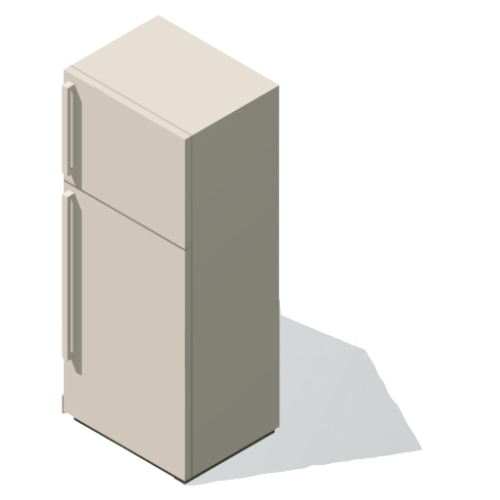
Appliances

Dishwasher, disposal, range, oven, microwave, refrigerator, exhaust, bathroom heater, garage door, doorbell, and dryer vent
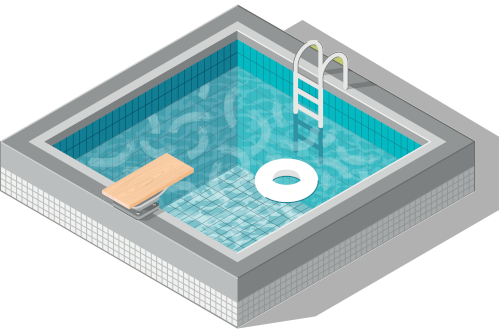
Pool

Circulation, heating, filtering, electrical, water chemistry, and possible safety issues.

Doors, Windows, Interior

Representative number of doors & windows, floors, walls, ceilings, stairs, railings, garage door and openers.

© Copyright 2026 Spectora Inc.